
Can Acupuncture Support Atrial Fibrillation Care?
Quick Summary: A small published clinical study explored whether acupuncture may help reduce the return of persistent atrial fibrillation after electrical cardioversion. The findings were promising enough to support further research, but acupuncture should be viewed as a complementary part of care—not a substitute for a cardiologist’s treatment plan, prescribed medication, or monitoring.
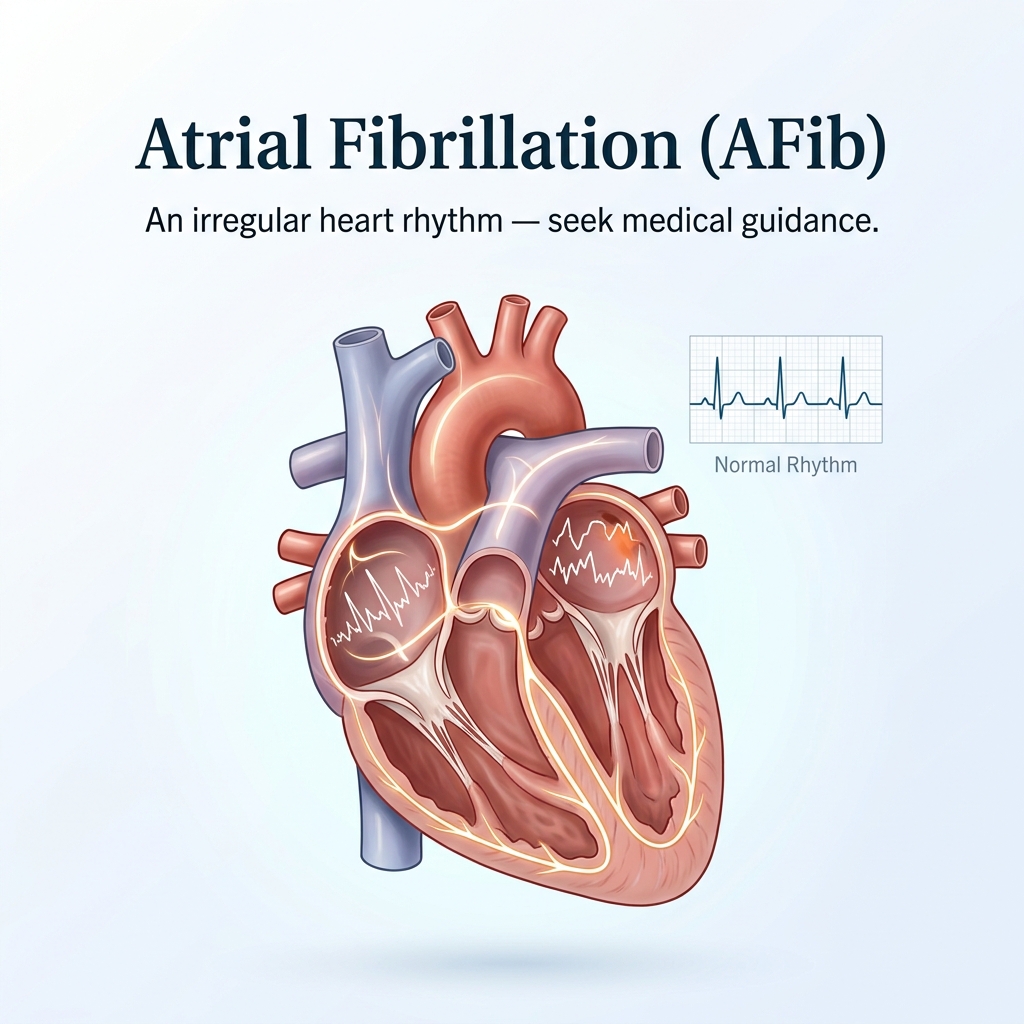
Atrial fibrillation, often called AFib, is a common heart rhythm condition in which the upper chambers of the heart beat irregularly. For some people, symptoms may include palpitations, fatigue, shortness of breath, dizziness, or reduced exercise tolerance. Others may not notice symptoms at all. Because AFib can be associated with serious health risks, including stroke, it is important to work closely with a qualified medical team.
At 5 Element Chicago, I often work with people who are looking for a more personalized and whole-body approach alongside conventional medical care. Research on acupuncture and heart rhythm conditions is still developing, but one study involving persistent AFib after electrical cardioversion offers an important opportunity to discuss where acupuncture may fit into an integrative care plan.
Why AFib Can Return After Cardioversion
Electrical cardioversion is a medical procedure used to restore a normal heart rhythm. It can be highly effective in the moment, but restoring normal rhythm does not always mean AFib will stay away permanently. Some patients experience a recurrence in the weeks or months that follow.
Whether AFib returns can be influenced by many factors, including the length of time someone has had AFib, structural changes in the heart, blood pressure, sleep quality, alcohol use, other medical conditions, and the overall health of the nervous and cardiovascular systems. For this reason, AFib care often requires more than one intervention. A cardiologist may recommend medications, anticoagulation when appropriate, lifestyle changes, monitoring, ablation, or other strategies based on the individual patient’s situation.
Acupuncture is not a replacement for these measures. However, researchers have explored whether it could potentially serve as an adjunctive therapy for selected patients under medical supervision.
The Study: Acupuncture After Electrical Cardioversion
A published clinical study examined whether acupuncture could help reduce recurrent persistent AFib after successful electrical cardioversion. You can view the study on PubMed.
The researchers followed patients whose normal heart rhythm had been restored through electrical cardioversion. Participants were assigned to one of four groups: acupuncture, sham acupuncture, amiodarone therapy, or no antiarrhythmic treatment.
Patients in the acupuncture group received 10 weekly treatments. The study then tracked how often AFib returned over the follow-up period. This design was notable because it compared acupuncture not only with no antiarrhythmic treatment, but also with sham acupuncture and with amiodarone, a medication commonly used to help manage heart rhythm disorders.
What the Researchers Found
The recurrence rates reported in the study were:
- 35% of patients receiving acupuncture
- 27% of patients receiving amiodarone
- 69% of patients receiving sham acupuncture
- 54% of patients receiving no antiarrhythmic treatment
The acupuncture group had a recurrence rate that was statistically similar to the amiodarone group. The recurrence rate was also lower than the rates observed in the sham-acupuncture and untreated groups. The authors concluded that acupuncture may have a role in reducing AFib recurrence after cardioversion and that larger studies were warranted.
That is an encouraging finding—but it is important to keep it in perspective. This was a relatively small study, and a single study cannot establish acupuncture as a standard treatment for preventing AFib recurrence. It does, however, add to the conversation about integrative medicine and the need to investigate supportive, patient-centered approaches more thoroughly.
How Acupuncture May Fit Into an Integrative Plan
In Chinese medicine, treatment is never just about applying a standard protocol to a diagnosis. At 5 Element Chicago, I look at the person in front of me: their symptoms, constitution, stress patterns, sleep, energy, digestion, recovery, emotional health, and the broader factors that may be affecting their wellbeing.
For a person living with AFib, that broader view can matter. Stress, poor sleep, nervous-system dysregulation, exhaustion, and other health concerns may affect how someone feels day to day—even when they are receiving excellent cardiac care. Acupuncture may be used to support relaxation, sleep quality, stress management, resilience, and a greater sense of balance. These are meaningful goals in their own right.
Any acupuncture care for someone with AFib should be coordinated thoughtfully. I encourage patients to keep their cardiologist and primary care clinician informed, continue prescribed medications unless their prescribing clinician advises otherwise, and follow all recommendations related to rhythm monitoring and stroke prevention.
Important Safety Considerations
If you have AFib, do not delay medical evaluation because you are considering acupuncture. New, worsening, or concerning symptoms deserve prompt medical attention. Seek emergency care for symptoms such as chest pain, fainting, severe shortness of breath, signs of stroke, sudden weakness or numbness, facial drooping, trouble speaking, or severe dizziness.
It is also especially important to tell your acupuncturist about all medications, including blood thinners and antiarrhythmic drugs, as well as any implanted cardiac devices, recent procedures, or changes in symptoms. Safe, coordinated care begins with clear communication between every member of your healthcare team.
A Personalized Approach to Whole-Body Support
People often come to my Chicago acupuncture practice after feeling that their care has focused only on symptoms or that they have not had enough time to discuss the full picture of their health. I believe healing deserves attention, time, and a genuine understanding of the individual.
For patients with complex health concerns, including those navigating stress or recovery alongside cardiovascular care, acupuncture can offer a calm and attentive space for whole-system support. Treatment plans are individualized and may begin with weekly appointments before transitioning to a maintenance schedule that fits the patient’s needs and medical circumstances.
Acupuncture and Chinese medicine in Chicago can be part of a broader commitment to preventative health and integrative medicine. The goal is not to make promises beyond the evidence. The goal is to support you as a whole person while respecting the role of conventional medical treatment.
FAQ
Can acupuncture cure atrial fibrillation?
No. Acupuncture should not be presented as a cure for AFib. The available research is limited, and AFib requires individualized medical evaluation and management by a qualified clinician.
Can I stop my AFib medication if I start acupuncture?
No. Never stop, start, or change a prescribed medication without guidance from the clinician who manages your heart care.
What did the acupuncture study show?
The study found that AFib recurrence after cardioversion was lower in the acupuncture group than in the sham-acupuncture and untreated groups, and similar to the amiodarone group. More and larger studies are needed before firm conclusions can be made.
Is acupuncture safe for people with AFib?
Acupuncture may be appropriate for some people with AFib, but it should be considered individually. Your acupuncturist should know your medical history, medications, cardiac procedures, and current symptoms, and your cardiology team should remain involved in your care.
How can I learn whether acupuncture is right for me?
A consultation can help determine whether acupuncture may be a useful supportive part of your care. At 5 Element Chicago, I take time to understand your full health picture and create a personalized treatment approach that complements—not replaces—appropriate medical care.
Research: Lomuscio A, Belletti S, Battezzati PM, Lombardi F. Efficacy of Acupuncture in Preventing Atrial Fibrillation Recurrences After Electrical Cardioversion. Journal of Cardiovascular Electrophysiology. 2011;22(3):241–247. View the study on PubMed.